City values reflected in their transit systems
The reason why your TTC bus is delayed is not only because of traffic but it might also be because of the lack of prioritization from our institutions.
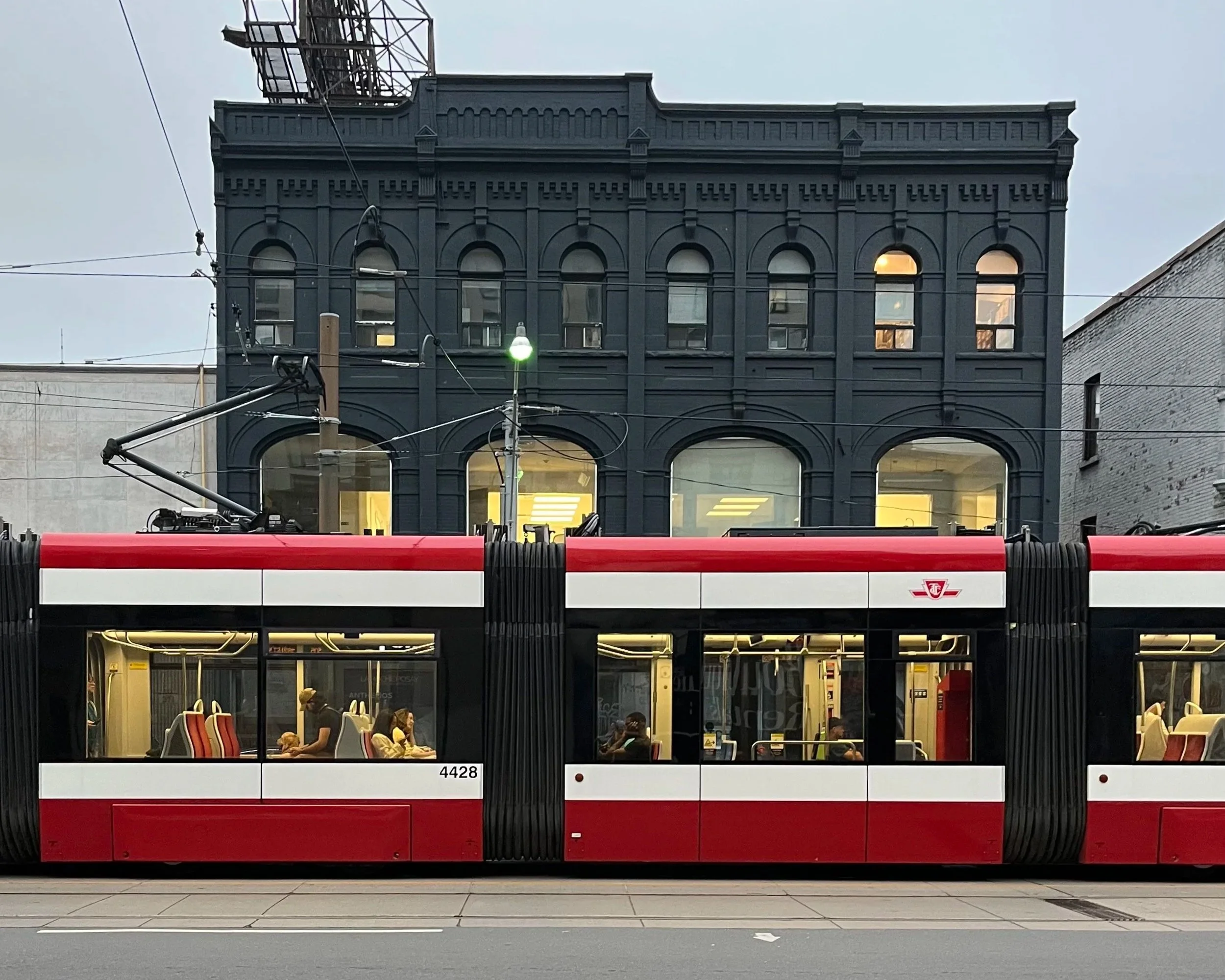
The 2025 CEO’s report by TTC highlights approximately 12.5k minutes were lost to unplanned delays in streetcar services for the year. (Photo By: Vyusti Shroff // The Underground)
The famously delayed, 505 streetcar that spans from Dundas West and Broadview, is a good reminder of how being “on time” usually is often more a matter of hope than a guarantee.
It crawls through central Toronto at the speed of… well not lightning, but more pouring molasses… slow, blocked and perpetually delayed. But hey, the 505 takes its commuters on board, rain or shine, with the aim of getting us from point A to point B , so why should I complain…right?
Well, since I need to head uptown to North York, I get off on Dundas Street West and Yonge Street, and transfer to Line 1 northbound train from Dundas Station, which should only take about 30 minutes. Unfortunately, for everyone else and me, shuttle buses are running from Sheppard Station to Finch Station, adding another 20 minutes to my commute. It is fine though, as this must be the only rare, occasional time the Toronto Transit Commission (TTC) has cost me my time. And of course, no system is perfect. However, this is not just a one-off time. It is a frequent occurrence, and Toronto has been forced to accustom to it as the normal rhythm of life within the city, when it should not be.
Toronto is home to more than 7 million people, an amount that demands the undivided attention of the municipal, provincial and federal governments to create and maintain a city that is equitable, fair, and safe for all. Achieving this requires policies that cater to the population and its rising demands.
Although the TTC system is not the worst in terms of general city planning or station placements, its detriment is within the uprise of delays and the mismanagement of planned adjustments to compensate for closed lines, reconstruction, etc. Accommodating seven million people should be the standard, regardless of whether they walk, bike or drive. There is an expectation to serve the public, and people have the right to reach their destinations on time without being constrained by TTC delays.
The problem is the lack of targeted investment the TTC is willing to give to resolve such situations that causes delays. TTC’s budget sits at $2.83 billion(as of 2023), and is invested into conventional (maintenance of stations, routes, tracks, expansions, security) and wheel-tran services. About 43 million dollars is allocated towards opening Line 5 Eglinton–Crosstown, Line 6 Finch West, and replacing buses for Line 3 Scarborough RT. Additionally, TTC has a 15-year budget plan designated to converting streetcar, buses, wheel-tran vehicles into hybrid, battery-electric ones, which is always a welcome step for sustainability.
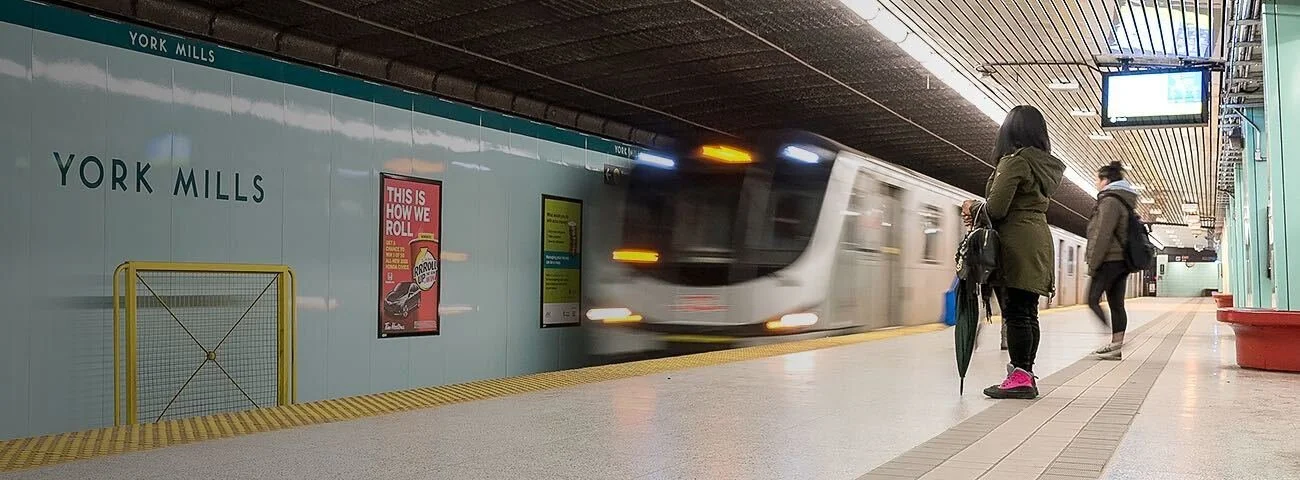
49 per cent subway delays in 2025 were due to operational issues including equipment problems says TTC CEO Mandeep Lali. (Photo by: Toronto Transit Commission [TTC])
However, the problem lies within what is deemed a priority to invest in. Other investments like maintaining clean and sanitized stations, buses, streetcars, trains and wheel-tran vehicles, to ensure security, and safety is only getting four million dollars combined. Service improvements for routes within the "Neighborhood Improvement Areas” and expanding the fair-pass program (lower fare wages for 50,000 low income Torontonians), just get three millions dollars.
So why are the investments that are directly resolving and helping Torontonians, receiving minimal investment? Why are we expanding and adding train lines, when the already existing ones that we rely on everyday are struggling at their foundations?
Tomorrow morning I will have to step back onto the 505, waiting and watching as we inch through the traffic like it always does. I will go on my way to transfer at Dundas, and hope there are no more delays on Line 1, just at least for today. But again, hope should not be the foundation of a city’s transit system.
The TTC is an integral part of Toronto. It is a constant character in this city and shapes our days, our work, and our time. That rhythm should be supported, not disrupted. And until the demand for better is pushed, until our leaders will invest properly in the system millions rely on everyday, for now, the slow crawl of the 505 will remain a reminder of the city that keeps moving, but not nearly fast enough.