When winter isn’t the biggest culture shock
The cold and snow are just one part of settling into life in Canada, and sometimes not the hardest part.
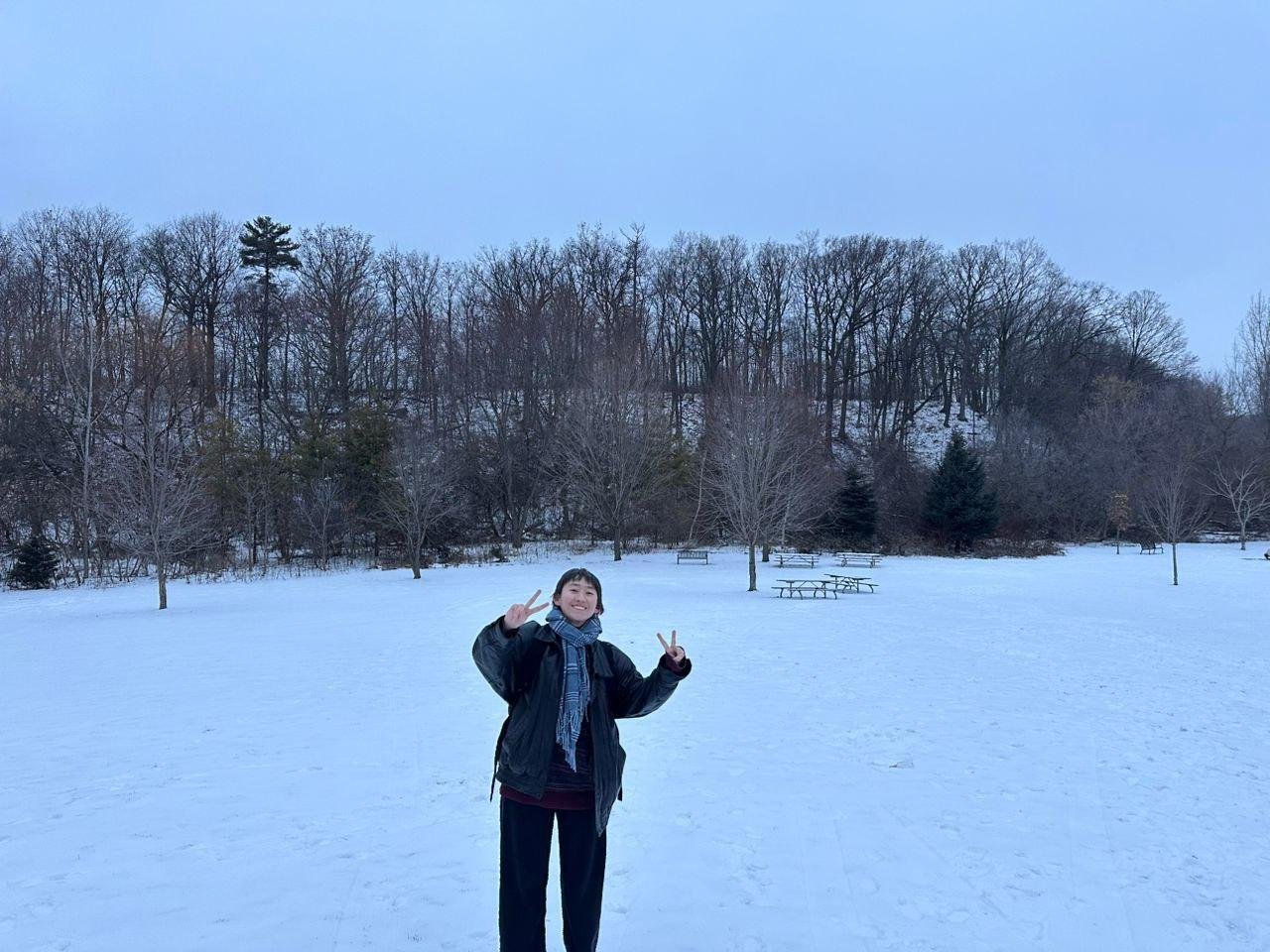
Alina Zholaman, first-year BBA Co-op Management and IT student, during her first winter in Canada. (Photo Credits: Alina Zholaman)
For many international students, Canadian winter arrives with a reputation; brutal, cold, endless snow, and sidewalks turned into ice rinks or safety hazards.
Alina Zholaman, a first-year BBA Co-op Management and IT student living on campus, found that winter itself wasn’t the most intimidating part of coming to Canada.
“I'm coming from Kazakhstan, specifically Astana, the capital city,” she said. It’s her second semester, but her first winter.
Astana is no stranger to the cold. Built on the open Kazakh steppe, the city is also known for harsh winters and strong winds, conditions that felt familiar, at least at first.
“And even the weather, like the fall was really pretty beautiful,” Zholaman said. “It's not as cold as where I'm coming from…so I'm not that, let's just say, scared of the weather.” Before arriving, she had already heard the warnings. Friends advised her to buy winter gear ahead of time and prepare properly.
“They're like, okay, so buy jackets from your own country because of the prices here,” she said.
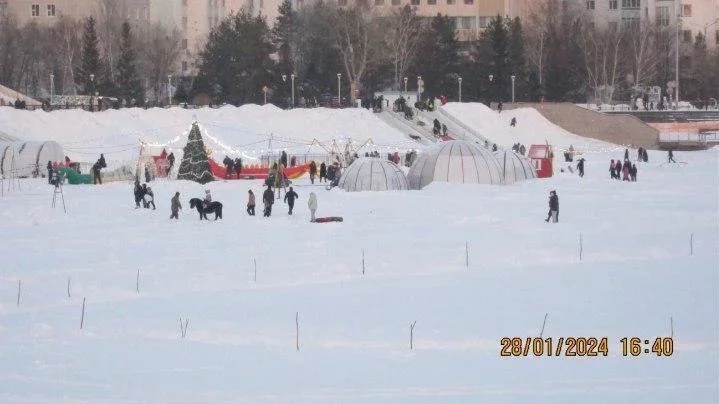
Scenes from Zholaman’s hometown, Astana, Kazakhstan, showing the snowy winters she grew up with before coming to Canada. (Photo Credits: Alina Zholaman)
A more managed winter
While Canadian winters are often framed as overwhelming, Zholaman noticed a key difference in how people respond to them.
“I do believe that the places we walk, oh my god, the paths get created easily here, like it’s not snowing everywhere.”
In Astana, snow tends to linger regardless of cleanup efforts. Toronto by comparison, felt more controlled with plowed sidewalks, clearer roads, systems designed to keep daily life moving.
During a recent snowstorm earlier this January, Zholaman barely noticed the disruption.
“I actually just stayed in the residence and I didn't even notice what exactly happened,” she said.
Living in first-year residence at Harmony Commons also limited her exposure to the elements. “My classes are in the same building, so I don't really walk much.”
Although she hasn’t slipped on black ice or fallen in the snow, Zholaman’s most memorable winter moment came on New Year’s Eve downtown.

Astana, Kazakhstan, showing the snowy winters she grew up with before coming to Canada. (Photo Credits: Alina Zholaman)
“We were celebrating the New Year's, went to downtown to watch the fireworks,” she said.
There were eight of them. Two friends moved forward into the crowd to see better and disappeared behind people who were too tall for Zholaman or her friends to watch the fireworks.
“They got lost,” she said. “And so we had to go out of the fireworks once they ended and we couldn't really call them.”
As the group waited, things escalated. “Apparently there were protests nearby, and the protesters started coming to us. So we had to run.” When the group turned left, so did the protesters. When they crossed the street, so did the crowd.
“It felt like we were in an apocalypse movie,” she added laughing. “But overall, it ended well.”
Learning the social climate
If winter itself wasn’t overwhelming, adapting to Canadian social culture sometimes was.
“People are more friendly, more approachable,” Zholaman said. “Sometimes too friendly for my own comfort or for my own surprise.”
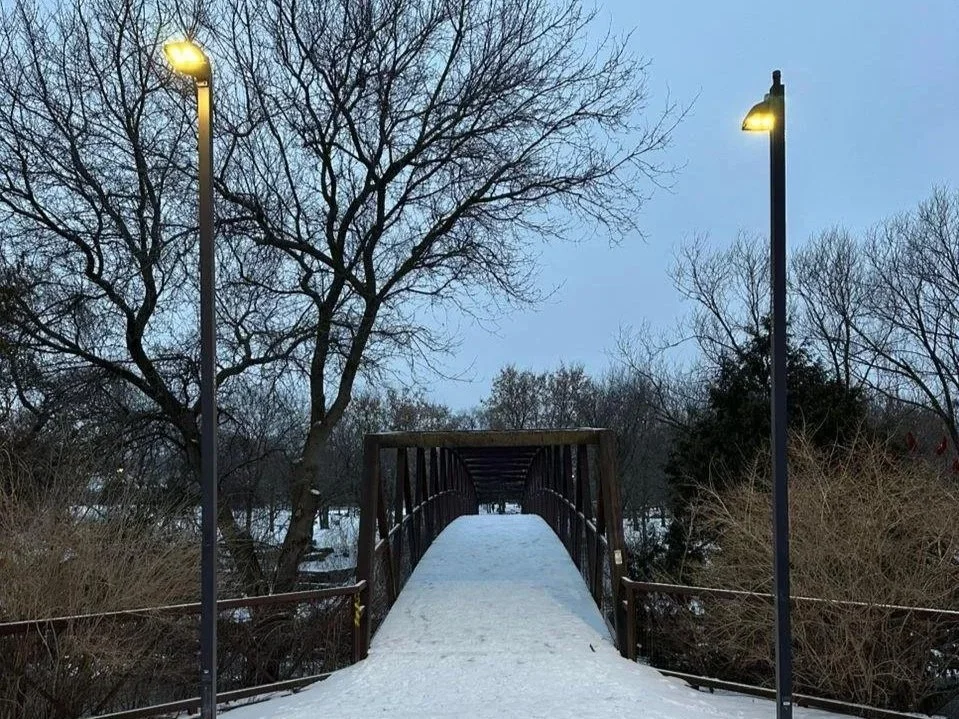
Toronto in winter, as seen through Zholaman’s lens. (Photo Credits: Alina Zholaman)
Coming from a more conservative culture, the openness of campus life, even in the winter, stood out.
“People are more reserved, especially because it's cold,” Zholaman said of her home country Kazakhstan. “People don't really engage in talks, especially outside.”
In Toronto, cold weather didn’t seem to stop social interaction. Drinking culture and hookup culture, especially among first-year and queer students, were unexpected.
“I'm not against it, it's what people do, their own things. It’s just that I was raised differently.”
Still, she appreciated how openly these topics were addressed on campus. “I like that they address it openly,” she said, referencing consent education and campus resources.
The general advice
Being far from home, adapting to a new culture, and navigating independence can feel heavier when days are shorter and routines shrink.
“One of the important things is to reach out,” she said. “Some people miss their families, some people feel lonely.”
Her advice to other international students coming to Canada for the first time is simple but intentional.
“There's so many resources that we have,” she said. “If you feel lonely and want to talk to people, just go to events, especially if you're in residence.”
Lat but not the least, even the dining hall plays a role. “That's where you can find friends too.”