Life after 11:59
I always hit submit. Until the fear that made me do it disappeared.
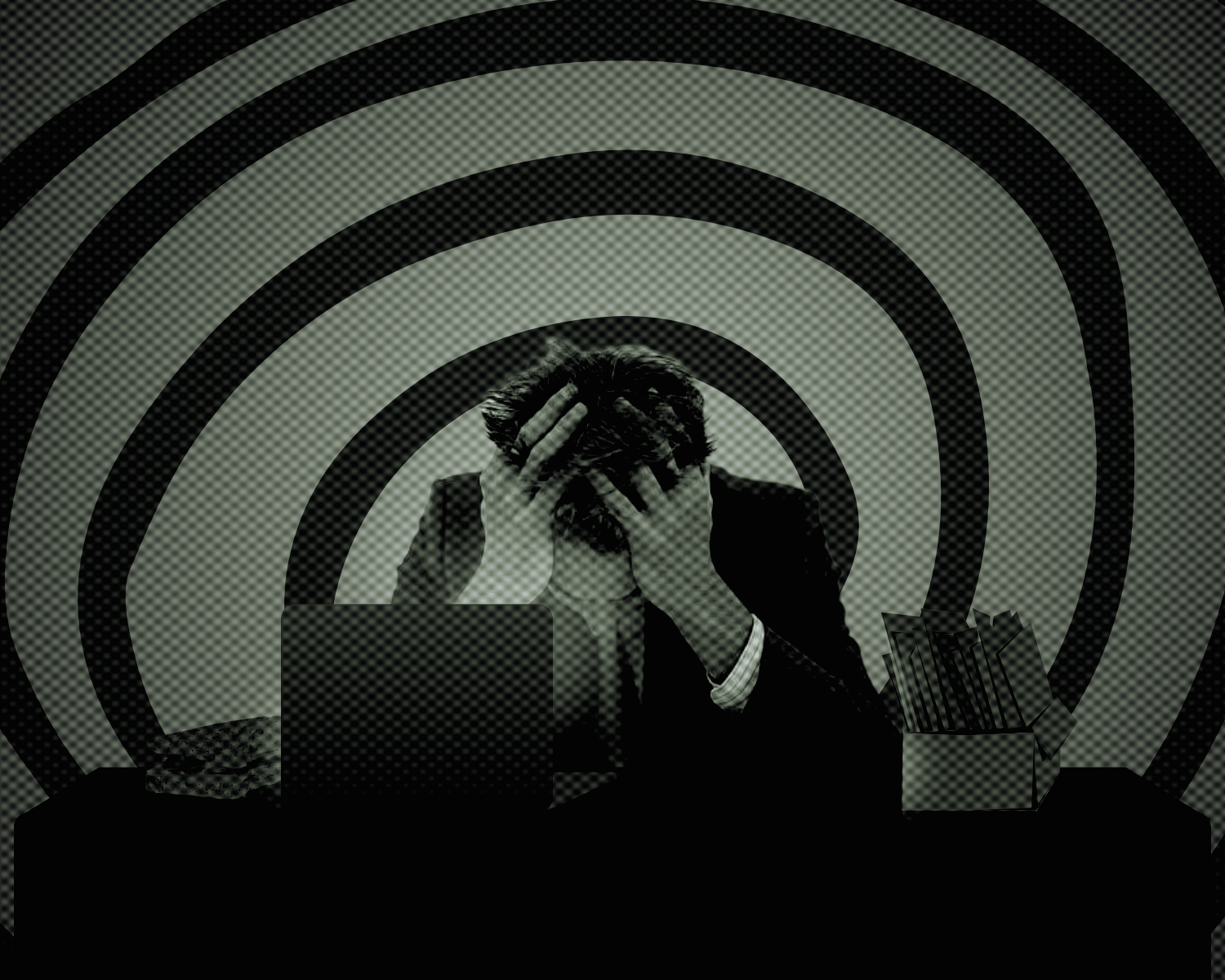
This is the first time in my student life that procrastination doesn’t even feel productive anymore. (Illustration By: Hannah Arabella Gabling // The Underground).
I used to be terrified of deadlines. Like, genuinely afraid.
There was a time (not even that long ago) when the fear of having an overdue assignment would send me into a hyper-focused session of productivity. If something was due at midnight, I’d passively start working at 7:00 p.m. and begin spiraling by 9:00 p.m. By 10:00 p.m., I’d be so stressed I’d practically be shaking. After all, I only know how to operate on adrenaline, and I know that I will always hit submit. Always.
But this year, my final year, something shifted. The fear disappeared, even though the deadlines look the same on Quercus. Painfully highlighted in red, bold, italicized even. But my brain feels nothing. No panic, no urgency, not even guilt. Just silence.
Your biggest academic motivator evaporating overnight is like waking up one day and realizing the monster under your bed retired. I keep thinking about how the old me would behave, the version of me who lived on the edge but was, at the least, reliable. She would never leave readings untouched for this many weeks straight. She would never start an essay the morning it’s due. She would never stare at a blank Google Doc and feel nothing but exhaustion.
But every time I try to “fix” it, I feel like my brain is laughing at me. When I try to set fake early deadlines my subconscious whispers “girl, you know it’s not really due today.” Everytime I try time-blocking, the blocks slide past me and before I know it, another day has passed. Everytime I promise myself a reward to motivate me after completing small tasks, they don’t spark anything. My brain has outsmarted all my old tricks.
This is the first time in my student life that procrastination doesn’t even feel productive anymore. It doesn’t even feel strategic. Time has become a pressure I’m numb to. It’s the strangest form of burnout– not explosive or emotional, just flat. And the worst part is that I keep comparing myself to the version of me from first and second year. But that girl is gone. Or maybe she’s still here somewhere, just buried under years of exams, essays, group projects, and the existential dread of figuring out what comes after graduation.
So what do you do when pressure stops working? Here are five psychologically backed tips that helped me get through my final semester at UTSC.
1. Lower the activation energy
Psychologically, starting is the hardest part, so break up your tasks into embarrassingly tiny steps. Instead of “write essay,” try “write one sentence,” or “find one source.” Each small completion releases enough dopamine to keep you moving.
2. Use the “10 Minute Rule”
Commit to just ten minutes of completing a task. Once you begin a task, you may find that momentum takes over. Even if you do stop after ten minutes, that’s progress and better than nothing!
3. Rebuild trust with yourself
Given everything discussed above, I began to feel like I can no longer trust myself. Keeping small but realistic commitments daily including ten minute productive blocks helped me build up that trust with myself again.
4. Switch from time-based goals to task-based goals
Instead of studying from time A to time B, frame your goals to something like “I will finish two readings and outline one paragraph.” Having clear end points makes it a lot easier on a burned out brain than long stretches of pressure.
Finally (and thanks to my therapist for this one)
5. Add compassion, not punishment
Therapist and author of numerous self-help books, Beverly Engel, says, “Compassion is the antidote to shame.” Motivation will only grow when you feel safe, not threatened. So reframing your thinking from “I’m so behind!” to “It is overwhelming but I’m trying my best” can help so much more than you realize.
And somehow, despite the mental struggle, my final year worked out just fine. The assignments got submitted, the exams got written. Not perfectly, not gracefully, but they got done. More importantly, I got through it without relying on panic to carry me across the finish line.
At the end of the day, burnout doesn’t announce itself. It just steals your spark one 11:59 p.m. submission at a time, until even the pressure stops working. So we have to learn a new rhythm, one that isn’t powered by panic but by gentler, smaller forms of momentum.
Maybe next year, the lesson isn’t about pushing harder. Maybe it’s about learning to move differently. Softer, more aware, and with more trust and compassion for the version of ourselves that is still trying.